What Makes a Detroit Beat Sound Like Detroit
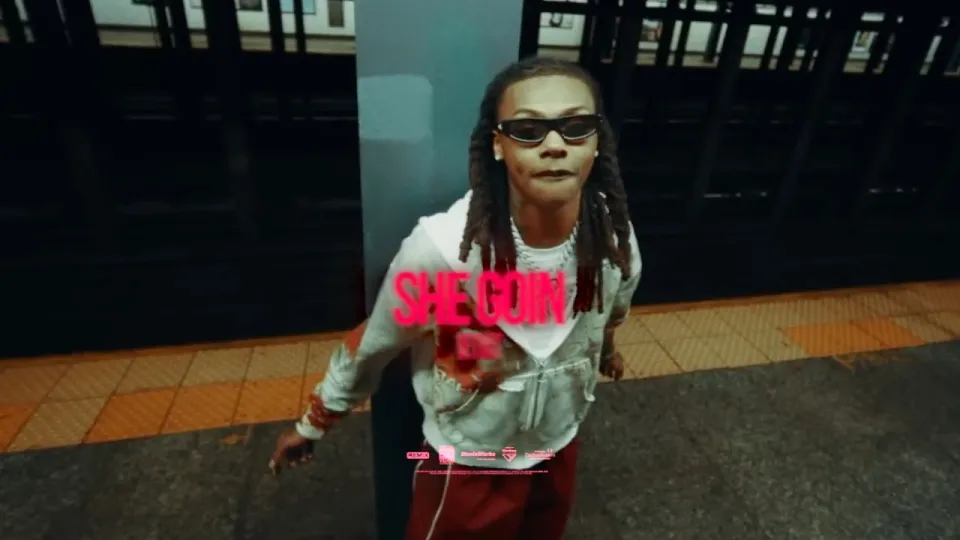
Video: [FREE] “She Goin” - Rio Da Yung OG x Babyfxce E Type Beat | Detroit Type Beat
You can order the same kind of articles for your own video to boost it on YouTube and Google. Just message the Telegram bot @sat_sit_bot. The bot writes and publishes the articles itself (with your YouTube video embedded) on popular topical websites (no ads). Free trial — 50 articles.
· based on the channel Reuel StopPlaying
Key takeaways
- Detroit beat = fast tempo (roughly 140-160 BPM feel), heavy 808s, minimal melody and lots of empty space for punch-in vocals.
- The style grew out of Detroit and Flint Michigan rap: Rio Da Yung OG, Babyfxce E, Krispylife Kidd, GrindHard E, RMC Mike, YSR Gramz, Babytron.
- Most Detroit type beats are free for non-profit use only; profit use needs a paid non-exclusive or exclusive license.
- Free downloads usually require written credit like 'Produced by (name) for SoundFirst Productions' on every upload.
- The 'She Goin' instrumental from Reuel StopPlaying is a free Rio Da Yung OG x Babyfxce E type beat you can buy via https://bit.ly/2mxSONh.
A Detroit beat is a sparse, fast, bass-driven instrumental built for punch-in rap: hard-hitting 808s, restless hi-hats, a dark minor-key melody and a lot of empty space left for the vocalist. That formula is exactly what the free "She Goin" Rio Da Yung OG x Babyfxce E type beat from the channel Reuel StopPlaying follows, and you can buy or license that instrumental through the producer's beat link if you want to use it commercially.
What defines the Detroit beat sound
The Detroit beat is less a fixed genre than a production recipe that grew out of Michigan rap, and every element exists to serve fast, ad-lib-heavy punch-in vocals. Producers working in the style usually start from the same short list of ingredients:
- Tempo and feel. Most Detroit instrumentals sit in a fast zone that listeners read as roughly 140-160 BPM, often with a halftime backbeat so the drums feel both quick and heavy at once.
- 808 bass. The low end is the loudest personality in the room. Long, sliding 808 notes carry the melody as much as any synth does.
- Hi-hats and percussion. Rolls, triplets and off-grid hat patterns keep motion under a vocalist who is rarely rushing.
- Melody. Short, dark, minor-key loops, often a single bell, pluck or piano figure repeated with small variations.
- Space. The beat leaves gaps on purpose, because Detroit and Flint rappers punch in bar by bar and need room for ad-libs.
The result sounds stripped down next to trap from other regions, but that sparseness is the point: the drums and 808 do the heavy lifting, and the rapper fills everything in between.
Who the Detroit and Flint scene runs through
A Detroit type beat is usually named after the artists it is written for, and the reference list is long because the scene is deep. The instrumental in this video is tagged for Rio Da Yung OG and Babyfxce E, two of the most imitated voices in Michigan rap. Around them sit names like Krispylife Kidd, GrindHard E, RMC Mike, YSR Gramz, Ak Bandamont and Babytron, plus the wider Flint side of the map, which is why you will see both "Detroit type beat" and "Flint type beat" attached to nearly identical instrumentals. The regional split matters less to producers than the shared grammar: deadpan punchlines, fast delivery, and beats that hit hard without crowding the mic.
How to use a free Detroit type beat legally
Free type beats are not the same as copyright-free music, and the terms are what trip most people up. On this release the rules are stated plainly: the download is free for non-profit use only, and for-profit use is strictly forbidden unless you buy a license. In practice that breaks down like this:
- Allowed without paying: free demos and promo CDs, streaming your song on YouTube or Facebook, and live shows that do not make money.
- Not allowed without a license: monetized uploads, paid streams, selling the song, or any release that earns revenue.
- Credit requirement: written credit must appear as "Produced by (Producer Name) for SoundFirst Productions" on every physical or digital distribution, including video descriptions; if written credit is impossible, a recorded vocal credit is required.
- Upgrades: commercial use needs a non-exclusive or exclusive license, which you request from the producer directly.
The producer also reserves the right to change the policy, so check the current terms before you release anything.
Questions producers and rappers actually ask
The comment section under a free beat is basically a FAQ in the wild, and the same worries show up every time. People ask whether they can just screen-record the beat if they are non-profit, whether buying the beat takes the video down, how much it costs, and which 808 was used. The honest answers: screen-recording is not a license, buying a beat usually does not remove the free version from YouTube, pricing is set by the producer and depends on exclusive versus non-exclusive rights, and 808 selection is a production detail you can only confirm by asking the uploader. Another common thread is mixing, because a beat that sounds loud and clean on its own can fall apart once vocals are stacked on it, so budget time for leveling the 808 against the kick and carving space for the punch-ins.
Why punch-in rap needs a specific kind of beat
Detroit and Flint rappers rarely record a full verse in one pass; they punch in line by line, stacking ad-libs in the gaps, and the beat has to survive that workflow. A useful Detroit beat therefore keeps the arrangement stable and repetitive so the vocalist always knows where the downbeat is, avoids busy mid-range sounds that fight the voice, and leaves the tail of each bar open for a shout or a tag. That is why so many instrumentals in this lane sound like a loop plus drums plus 808 rather than a full song structure. It also explains the popularity of type beats as a format: a rapper can grab a free Rio Da Yung OG or Babyfxce E type beat, test a flow over it, and only pay for a license once the record is worth releasing.
Useful links
- Buy or license this beat: https://bit.ly/2mxSONh
- Producer on Twitter: https://twitter.com/reuelethan
- Producer on Instagram: http://instagram.com/Reuelethan
Bottom line
A Detroit beat is a fast, bass-forward, deliberately empty instrumental designed for punch-in rap, and the free "She Goin" Rio Da Yung OG x Babyfxce E type beat is a clean example of the template. If you only need it for a demo or a non-monetized upload, the free download covers you as long as you post the required production credit. The moment money is involved, buy the license first, because for-profit use without one is off the table. This breakdown was put together around the release from the channel Reuel StopPlaying, which is worth following for more instrumentals in the Detroit and Flint lane. When you are ready to clear the beat properly, start at https://bit.ly/2mxSONh.
Source: [FREE] “She Goin” - Rio Da Yung OG x Babyfxce E Type Beat | Detroit Type Beat · Markdown version
Questions & answers
Can I just screen-record a free Detroit type beat and use it if I am not making money?
No. A screen recording is not a license, and it does not change the terms attached to the beat. Non-profit use is allowed, but you still have to follow the stated rules, including posting the required written production credit on every upload.
If I buy the beat, will the free YouTube video be taken down?
Buying a non-exclusive or exclusive license does not normally remove the free version from the producer's channel, since free uploads are a showcase. If you need the free video gone, that is a separate conversation you have to have with the producer before paying.
How much does a Detroit type beat cost to license?
Pricing is set by the individual producer and depends on whether you want non-exclusive or exclusive rights, plus how the beat will be used. There is no standard rate, so message the producer with your intended use and ask for a quote.
What should I do to make my vocals sit right over a Detroit beat?
Because the 808 and kick dominate the low end, keep your vocal out of that range and level it against the drums rather than the melody. If you punch in line by line, leave the ad-libs slightly quieter than the main take so the beat keeps its punch.